Where the word Fado comes from
The word Fado comes from the Latin fatum, fate, and in Portuguese it still means what life has in store for you.
The word first named a dance, and only later a song. In the 1820s, travellers in Rio de Janeiro described a dance called Fado, with anything from four to sixteen people in it. The Fado you hear in Lisbon is sung, though, and nobody dances to it.
How Fado was born
As a song, Fado first turns up in Lisbon in the 1830s, in the taverns and cheap eating houses near the docks. How it got there, nobody can say for sure. There’s even a Fado about it, which says Fado never knew its parents and has no birth certificate. That leaves two stories.
The first starts in Brazil, with the lundum, an Afro-Brazilian dance, and the modinha, a sentimental song. In 1807 the Portuguese court fled to Brazil to get away from Napoleon. When it came home in 1821 it brought back the music it had heard there, in the salons and in the streets, and so did the sailors and soldiers who sailed with it. In the poor neighbourhoods of Lisbon, the story goes, that music turned into something new.
The second story starts inside Portugal. The Industrial Revolution was pulling people off the land and into the cities, and they arrived in Lisbon from the Alentejo, the Beiras and Trás-os-Montes with the songs they’d grown up with. On this telling, Fado is what came out of all those songs meeting in the same few streets.
Fado’s first stages and its first singer
For its first decades nobody sold tickets for Fado. Its stages were the street, the tavern and the bullring, in the rough part of Lisbon that respectable people stayed away from.
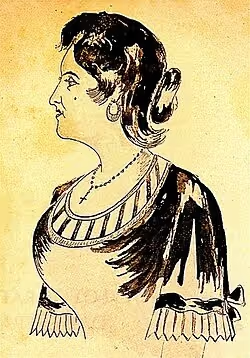
One of the people singing in that part of Lisbon was Maria Severa, a prostitute from the Mouraria quarter with a voice people talked about. The Count of Vimioso became her lover, and one night in 1840 he brought his friends home from the opera and had her sing for them.
For many of them it was the first Fado they’d ever heard. She died of tuberculosis in 1846, at twenty-six. Fado remembers her as its first singer, and has been singing about her ever since.
Chorai, fadistas, choraiQue a Severa já morreuFadistas como a SeveraNunca o Fado conheceuWeep, Fado singers, weep,for Severa has died.Fado singers like SeveraFado has never known.
Theatre, radio and the Fado house
Severa’s story ended up on the stage, and so did Fado. Then radio and records carried it into people’s homes, and by the 1920s singers were being paid to sing, in cafés, in dance halls and in theatres between the acts.
In 1926 a military coup put Portugal under a dictatorship, and a year later it regulated every stage in the country. Every lyric had to go to the censors first, to be approved or struck through in blue pencil, and that was the end of verses made up on the spot. The same law made singers carry a professional card, and that, at least, turned singing Fado into a profession.
The casa de Fado appeared in those same years: a restaurant made for Fado, with its own singers, where each one gets up, sings three or four Fados and sits down again while the tables are served. Poets worked there too: João Linhares Barbosa wrote his lyrics on the paper tablecloths while people sang.
The instruments of Fado
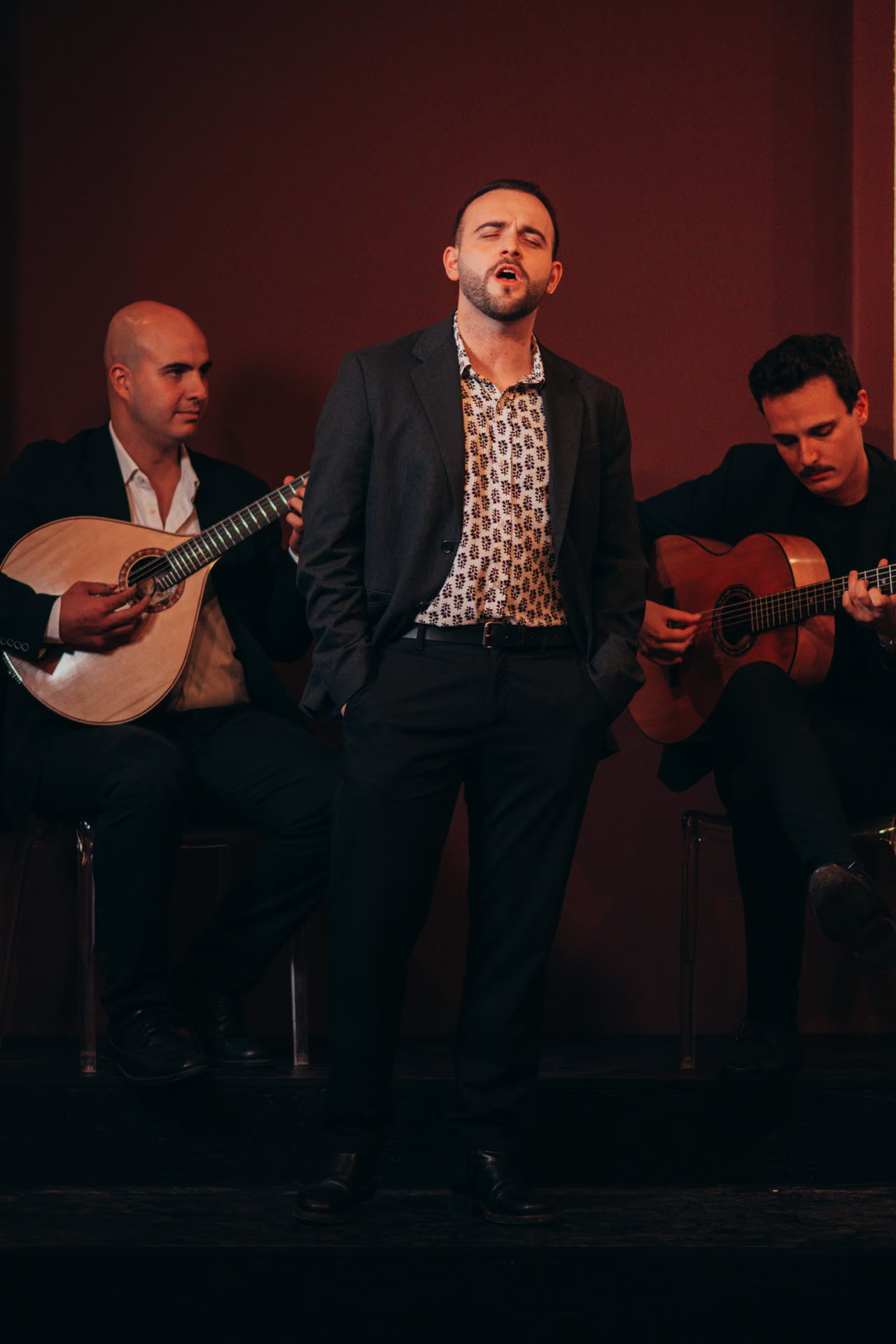
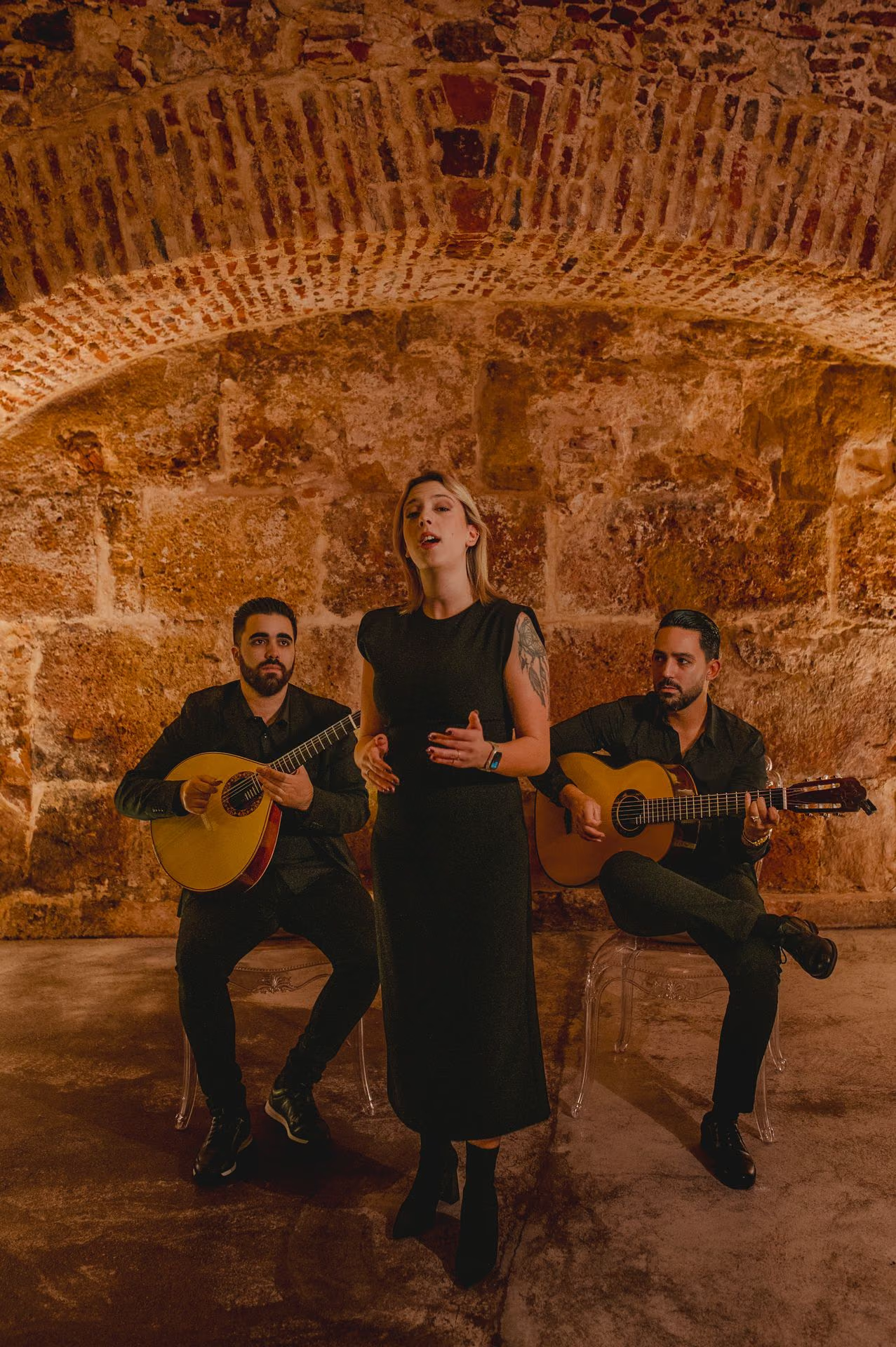
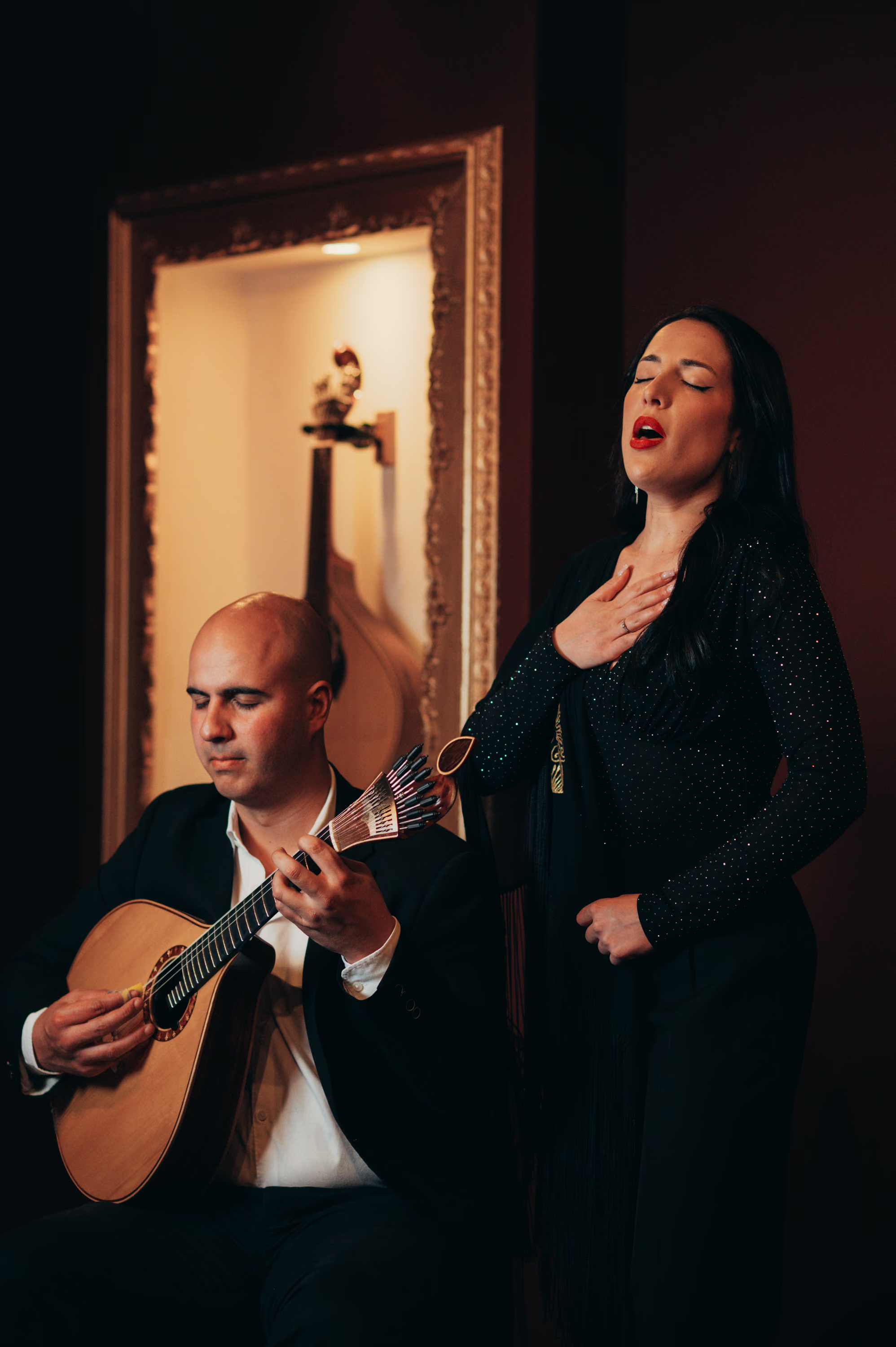
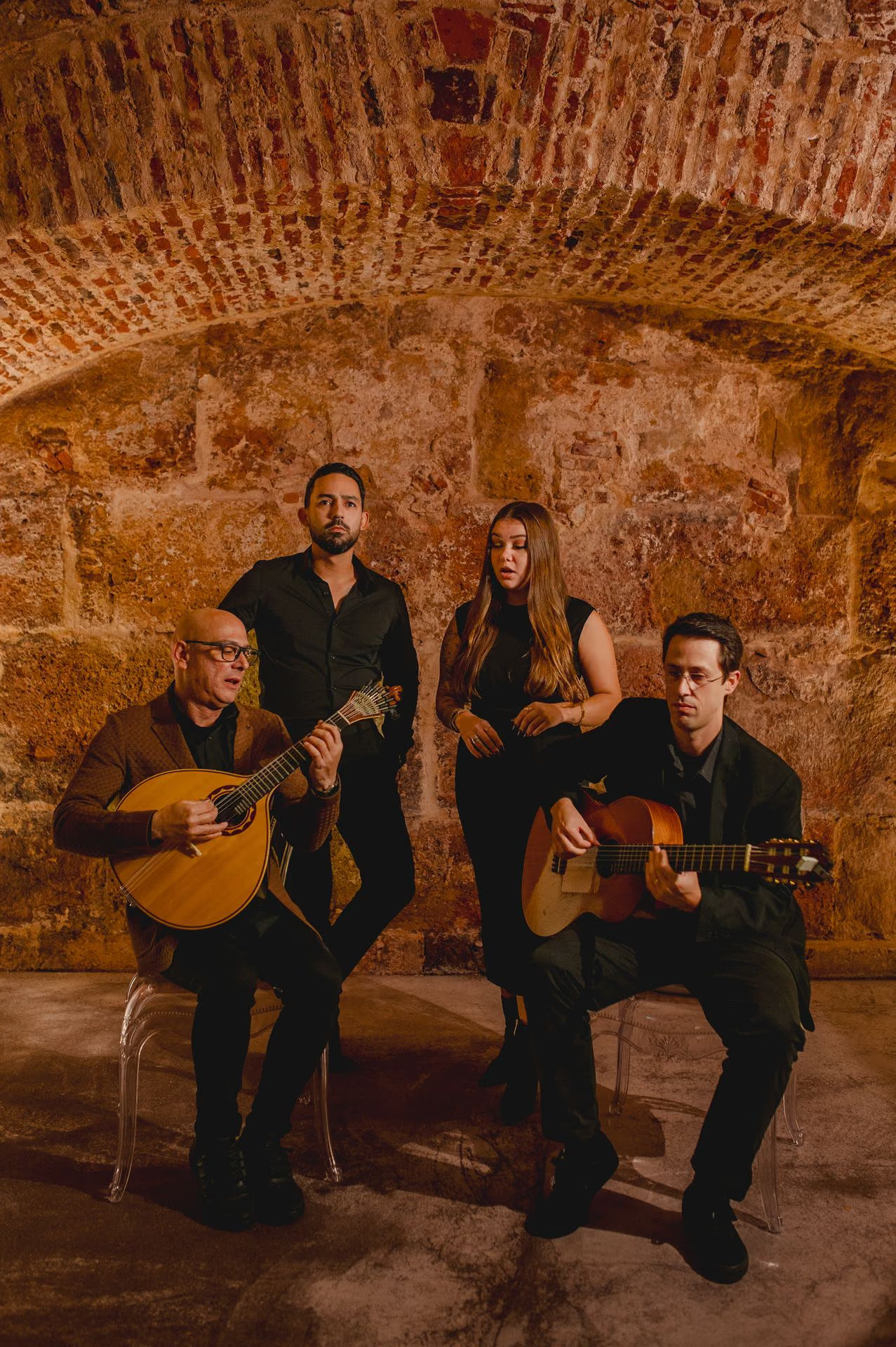
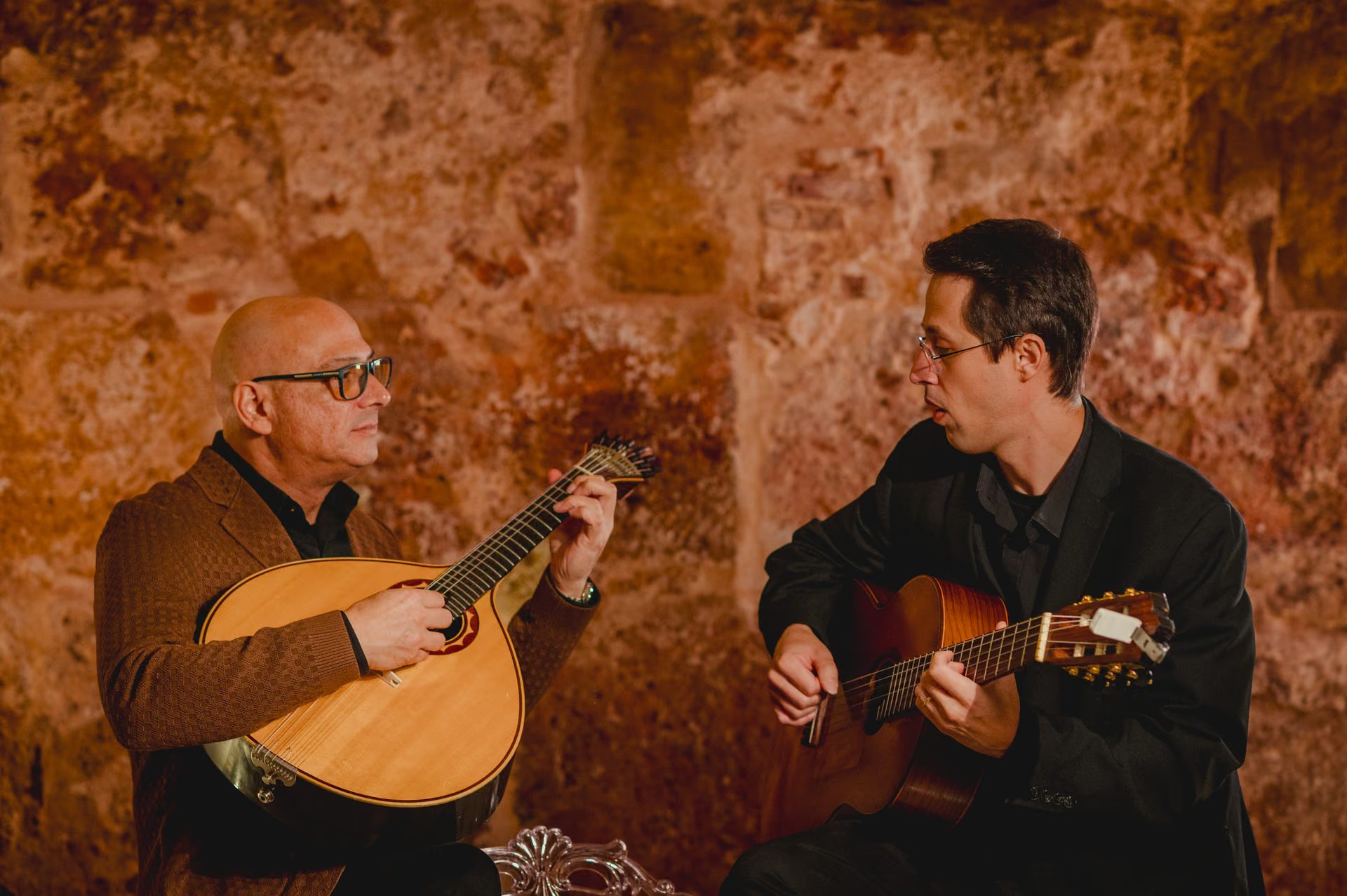
In most Fado shows you’ll hear two instruments playing for the Fado singer.
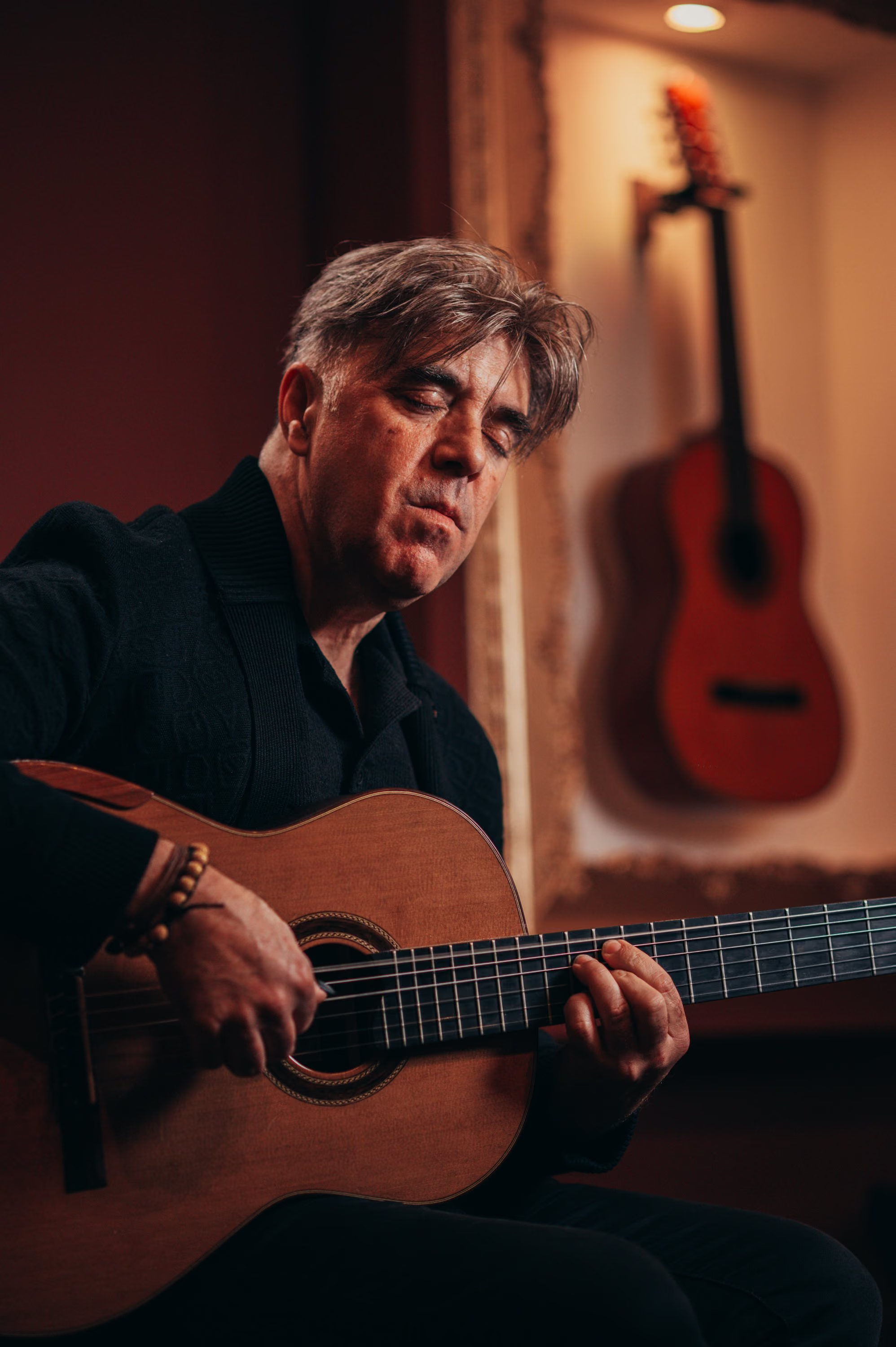
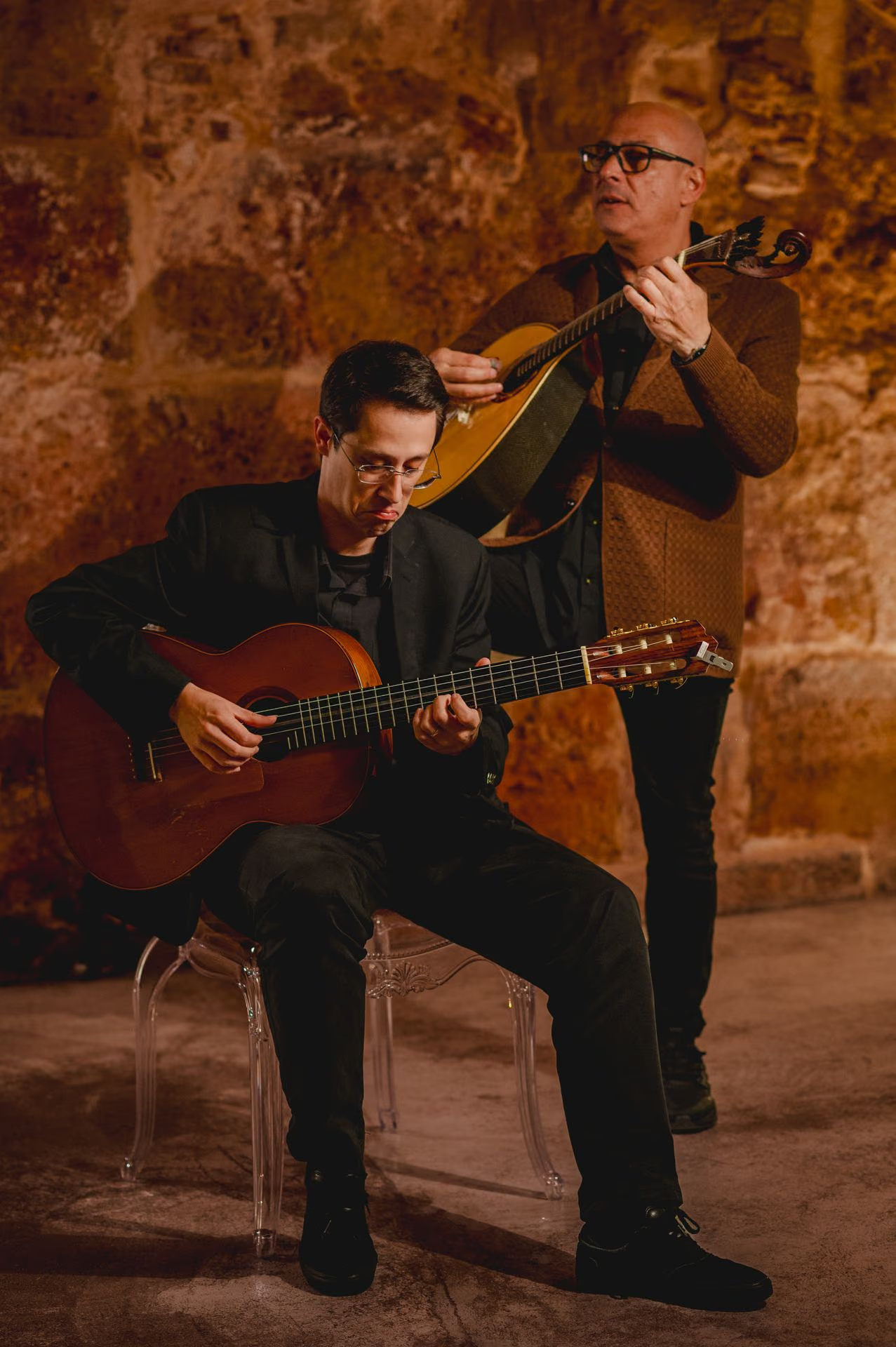
The classical guitar, which is called a “viola” in Fado, keeps the rhythm, the bass and the harmony, so the singer and the Portuguese guitar player have the foundation of the music and can create on top of it.
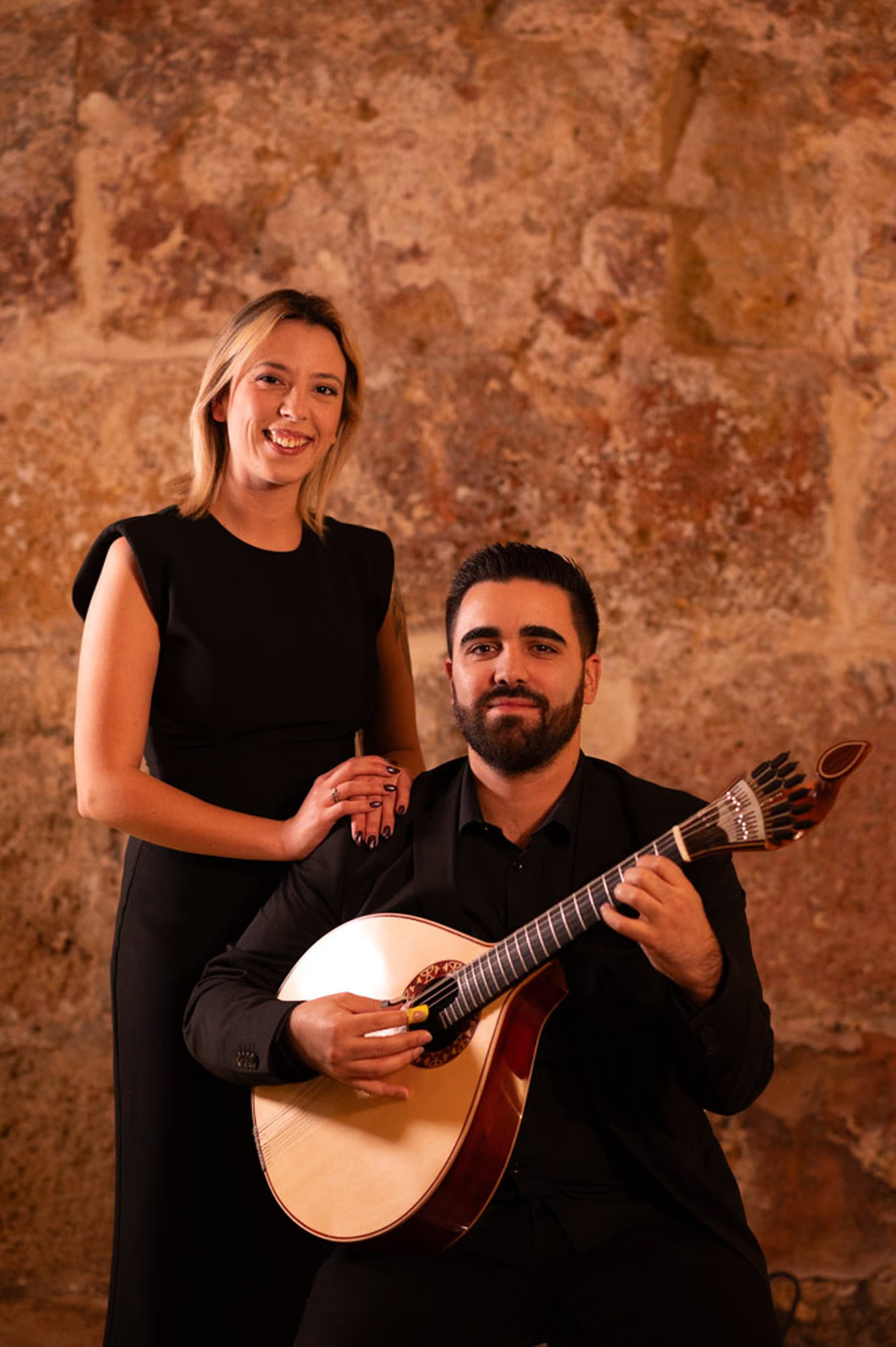
The Portuguese guitar is pear-shaped, with twelve steel strings. Its job is to play the melodic intros and to keep up a dialogue with the singer. The voice leaves a gap at the end of a line and the guitar fills it with a phrase of its own. Sometimes it also gives harmonic and rhythmic support.
What makes a good Fado singer
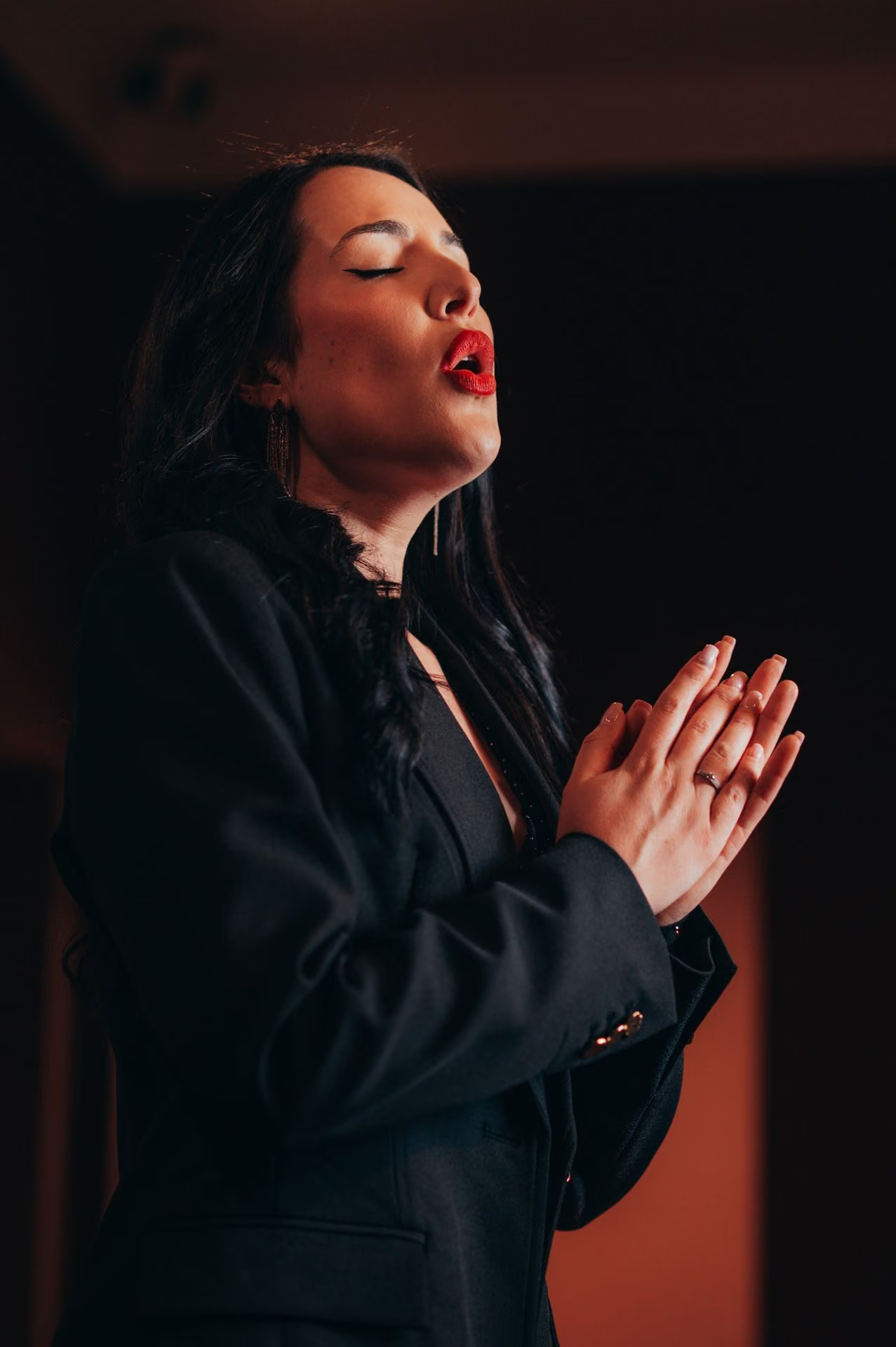
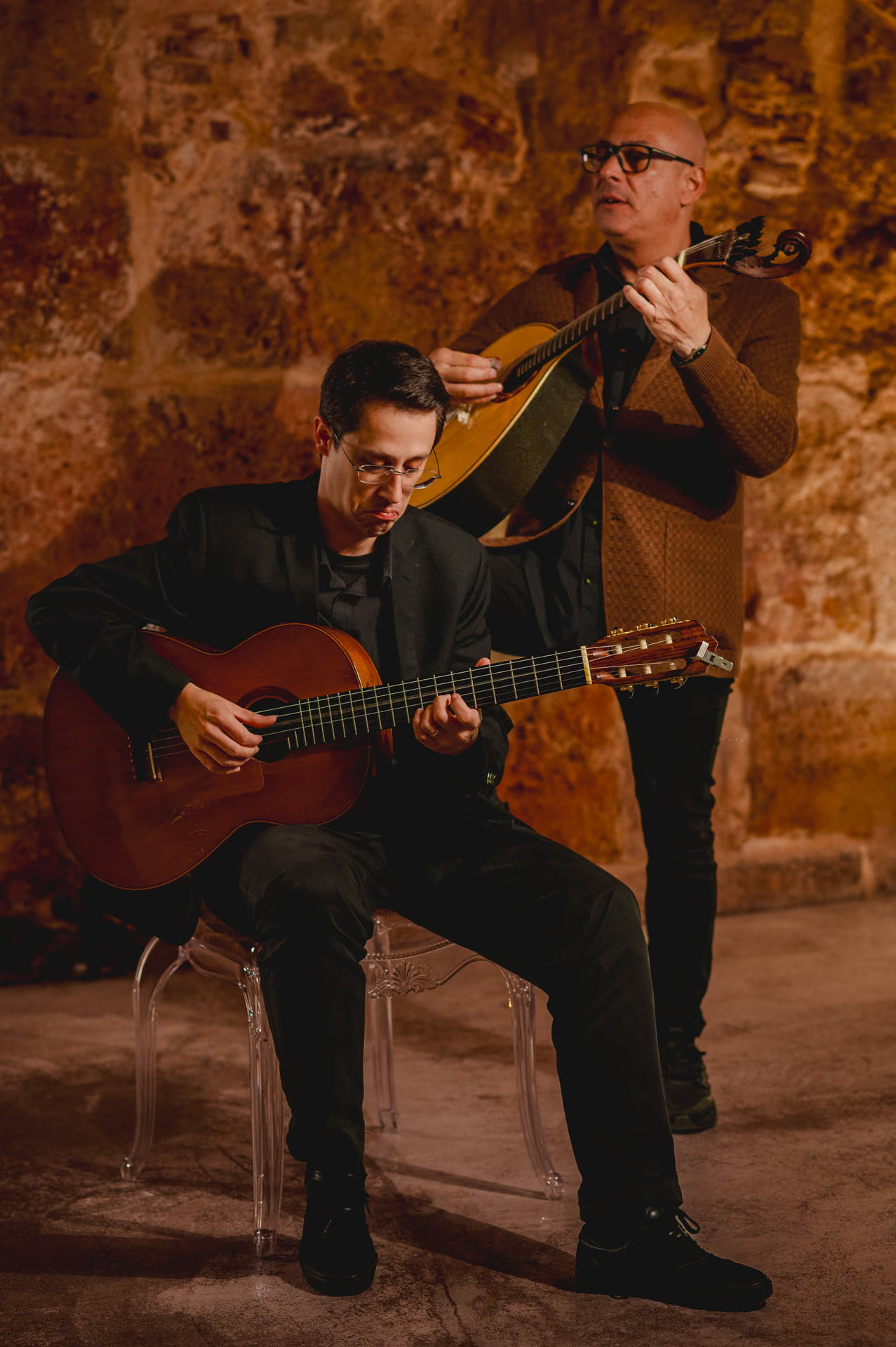
A Fado melody is short, and it comes round again with every verse. Sung the same way every time, it would wear thin by the third verse. So good singers change it as they go, to fit the words they’re singing. That’s called estilar, which means to style, to give the melody a shape of your own. Saying that a singer estila well is high praise.
For a singer, the hardest melody to do this with is the Fado Menor. It only has two chords, so there’s nowhere to hide. In 1959 a Lisbon Fado house, the Café Luso, held a contest for the title of King of the Fado Menor. António Rocha won it, and people still call him that.
Alfredo Marceneiro
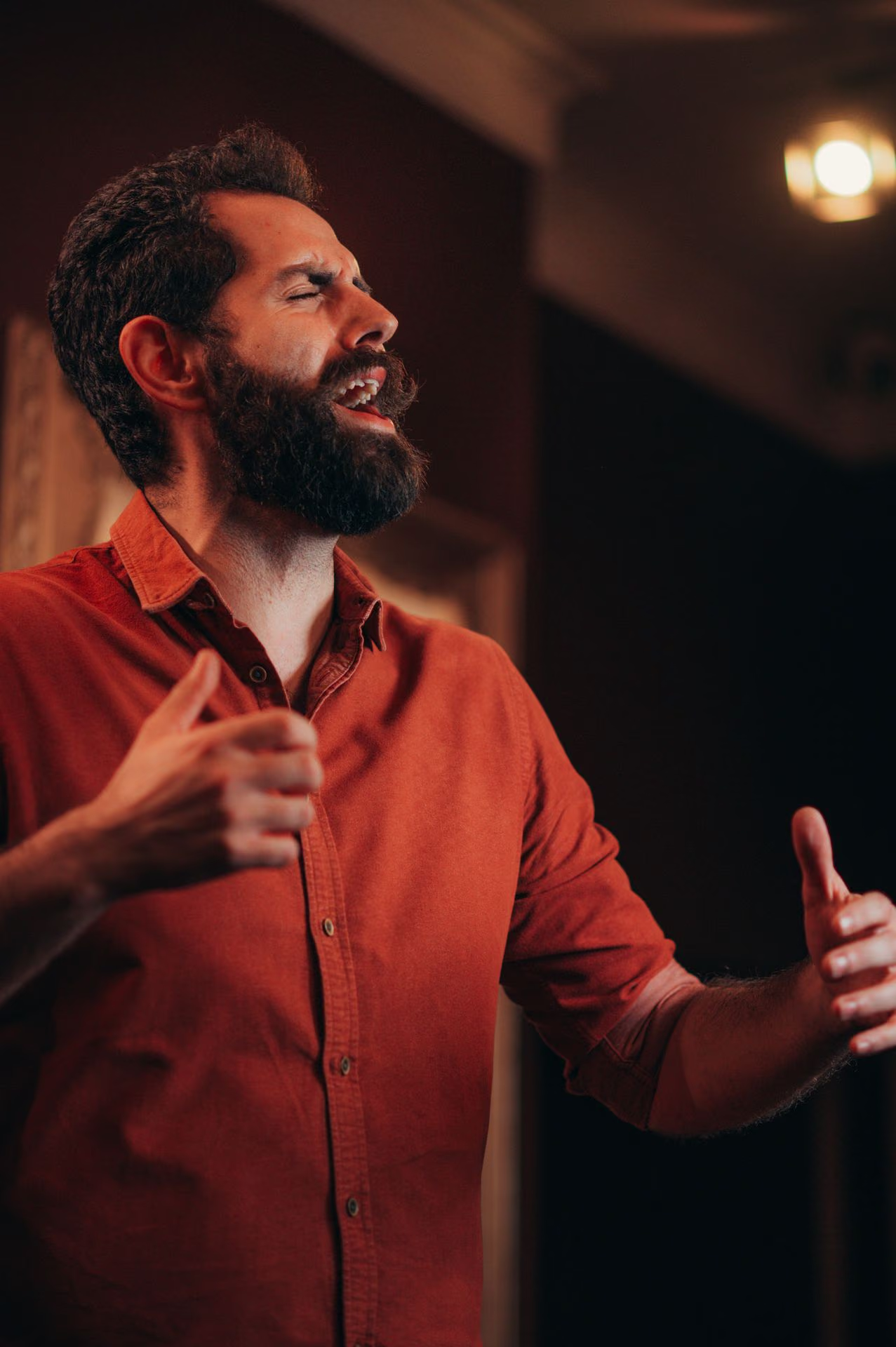
One of the great names of Fado called himself an estilista, a stylist, and nothing more. He started out as Alfredo Duarte, and he was a joiner, which in Portuguese is a marceneiro. Once, when he was new to it, he got up to sing at a party, and the presenter asked his name and his trade, forgot the surname and announced him as Alfredo Marceneiro, Alfredo the joiner. The name stuck.
He made some of the melodies singers still use, but he’d tell you he’d never composed a thing. He just sang what he’d heard, he said: his mother at home, the street sellers of Lisbon shouting their wares. One of his Fados began as the cry of a man selling lottery tickets.
Amália Rodrigues
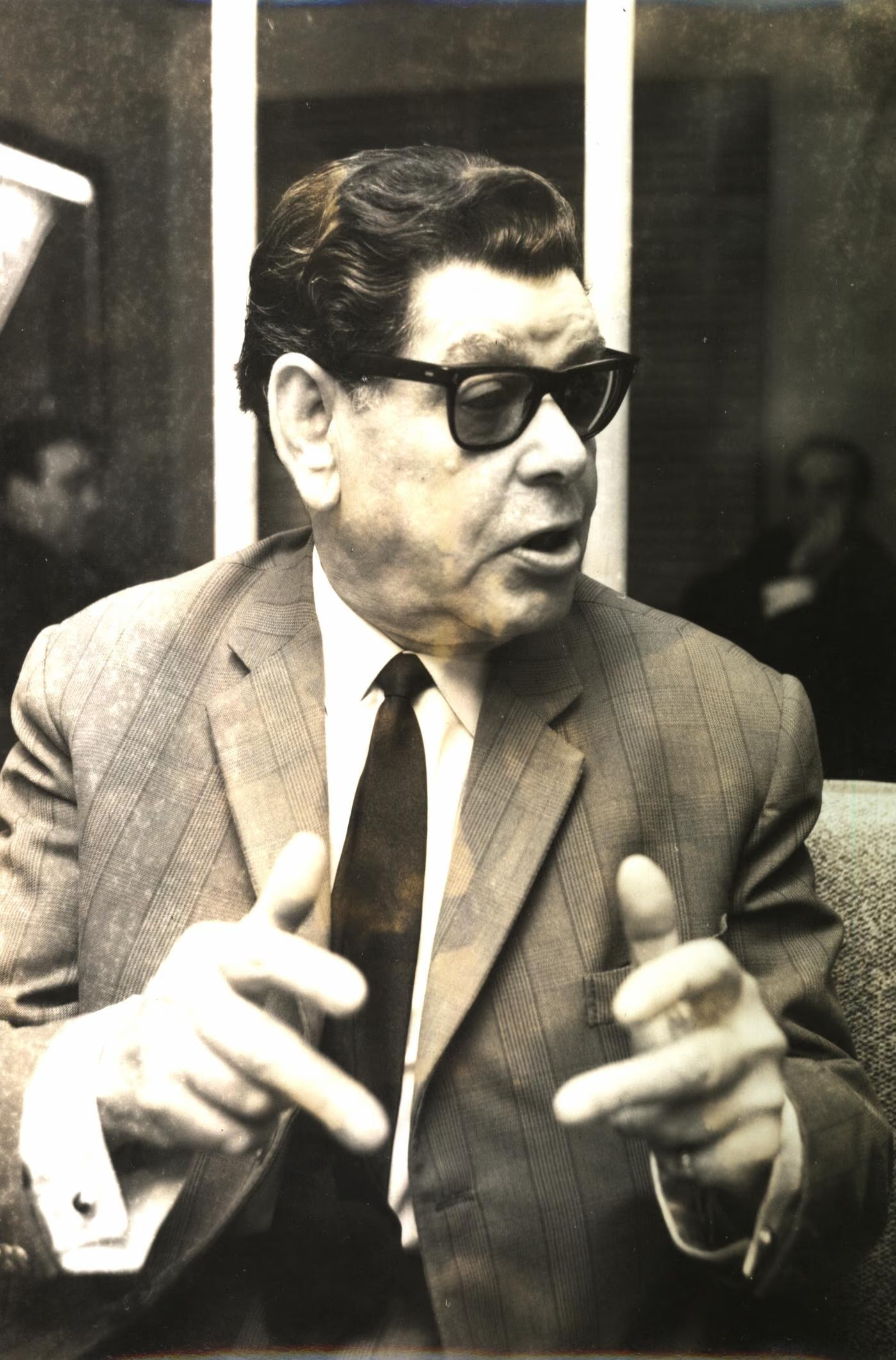
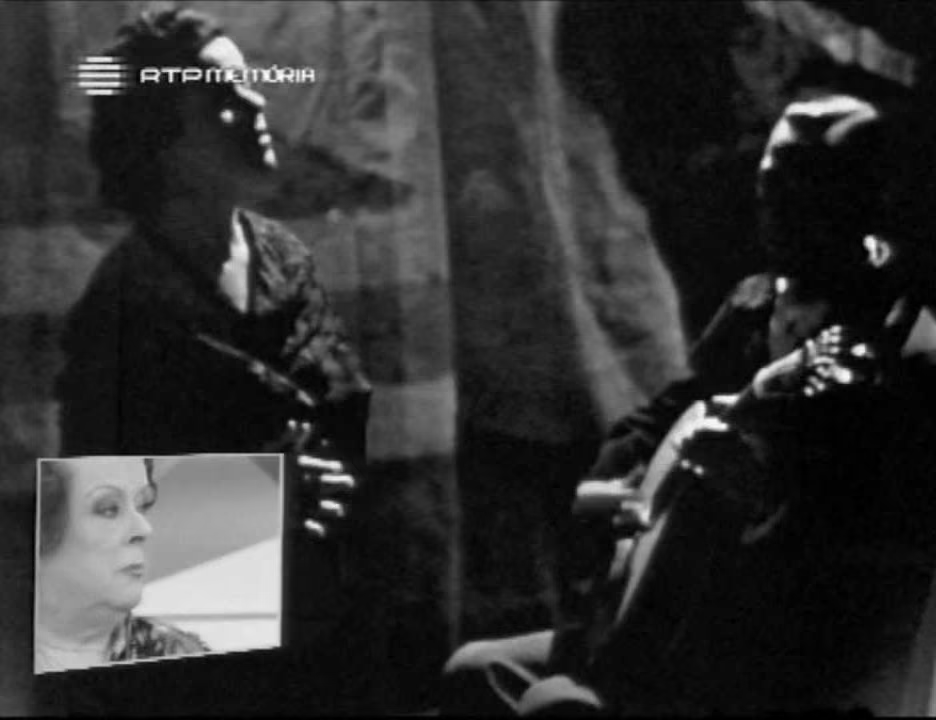
Amália Rodrigues is known as the Queen of Fado. In 1939, at nineteen, she knocked on the door of a Lisbon Fado house, the Retiro da Severa, to ask for an audition. The guitarist who heard her, Armandinho, is said to have told her she’d be the greatest Fado singer there had ever been.
She never quite believed it. She used to say she’d started singing by accident and wasn’t sure she was an artist at all. A rich woman once offered her a fortune to sing at a party, on condition that she kept away from the guests. If she didn’t have to meet the guests, Amália told her, it would only cost a quarter of that.
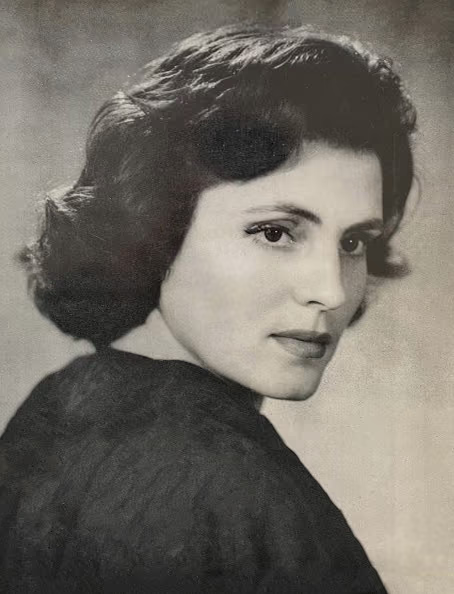
Fernando Maurício
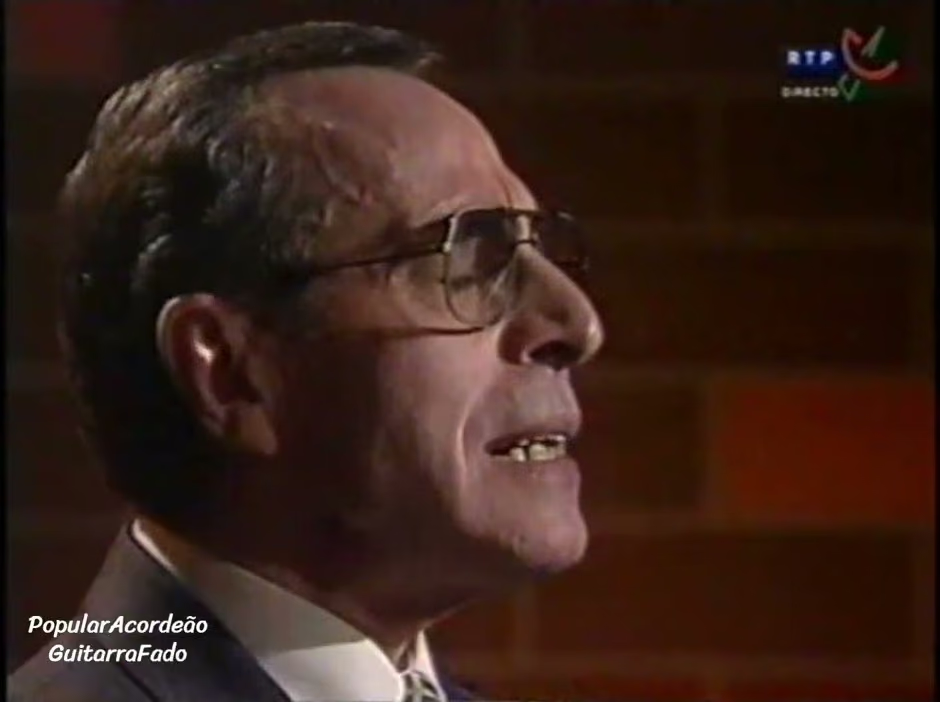
The King of Fado is Fernando Maurício, and it was the Lisbon of the old neighbourhoods that gave him the title. He was a man of the Mouraria with very little ambition, who liked singing for his friends there more than he liked a career. In the neighbourhood’s sports club his photograph hangs in every room, like an altar with only the candle missing.
So many singers copied him, down to where he paused in a line, that he used to joke he didn’t need to sing any more, because others did it for him. Late in his life he’d wait while they sang everything he was known for, then ask the guitarists for the Fado Corrido, one of the oldest melodies, and make up new verses on the spot.
Styles in Fado
Not everything a Fado singer sings is Fado. Amália used to say she did a mixed programme, with Fado, marchas, folklore, Spanish songs and Brazilian ones, and that foreigners assumed it was all Fado because she was announced as a Fado singer.
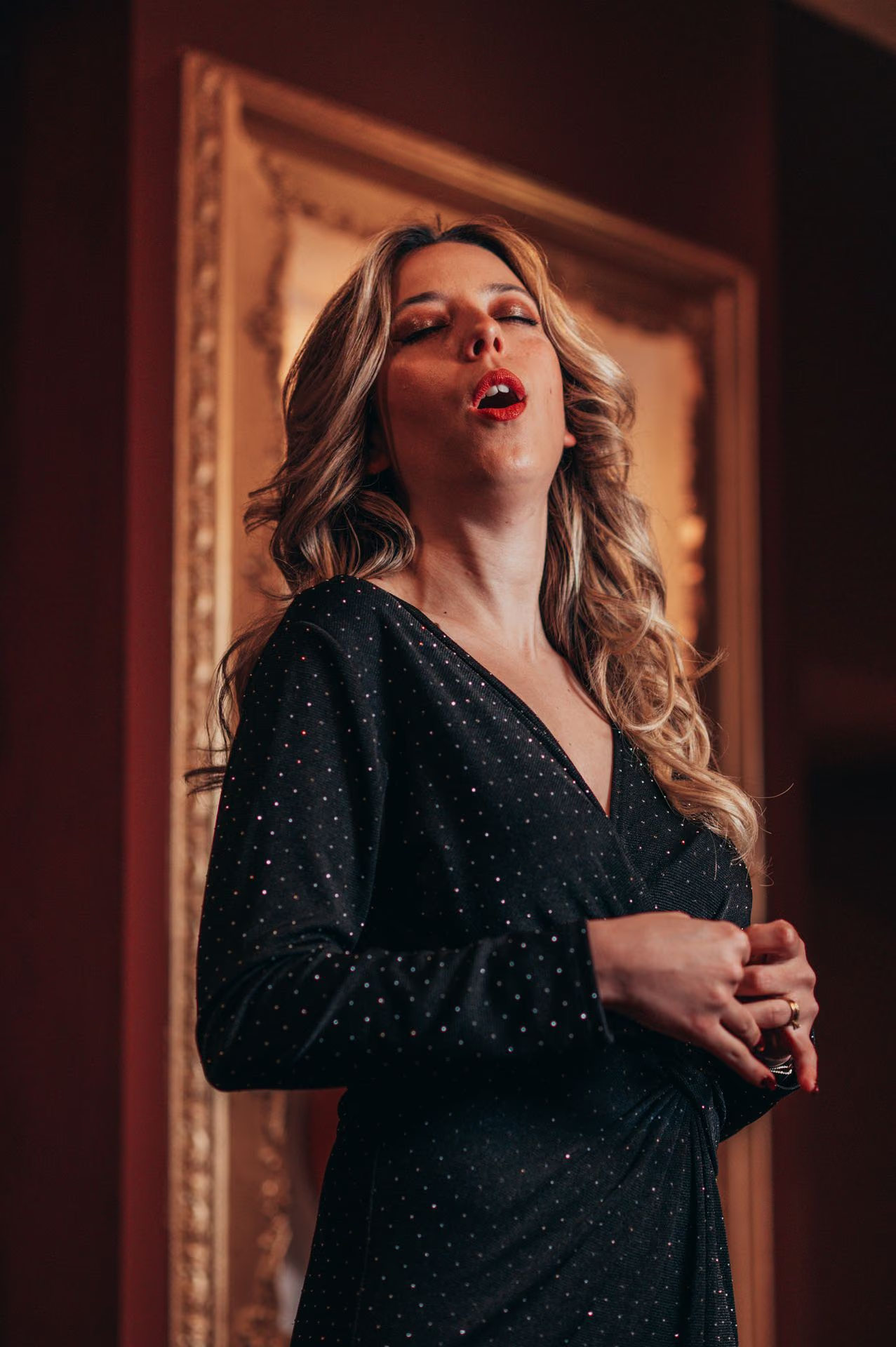
Fado itself comes in two big families. Traditional Fado has no chorus, the singer chooses the poem, and nobody plays from a score, so every performance is made on the spot, a bit like a jam session. Fado canção is Fado mixed with other kinds of music. It has a chorus, the title covers the words and the music together, and nearly all the Fado hits belong to it.
Then there are two styles most Fado singers put in their shows that aren’t Fado at all. Marchas are a popular Lisbon tradition, and folklore is the music of Portugal’s regions. Both are cheerful, and the audience gets asked to clap along and sing the choruses. People who say they like happy Fado are often thinking of these.
Traditional Fado
Traditional Fado doesn’t work like an ordinary song. Each melody has a name of its own, and any poem can be sung to it, as long as its verses fit the rhythm of the music.
Take the Fado Vitória, by Joaquim Campos, a railway clerk who sang in his spare time. On a record from 1929 it has words about a nightingale in Coimbra. With other words it’s Igreja de Santo Estêvão, about a church in Alfama. With a poem by Pedro Homem de Mello it’s Povo que lavas no rio, which Amália made so famous that everybody in Portugal can sing it.
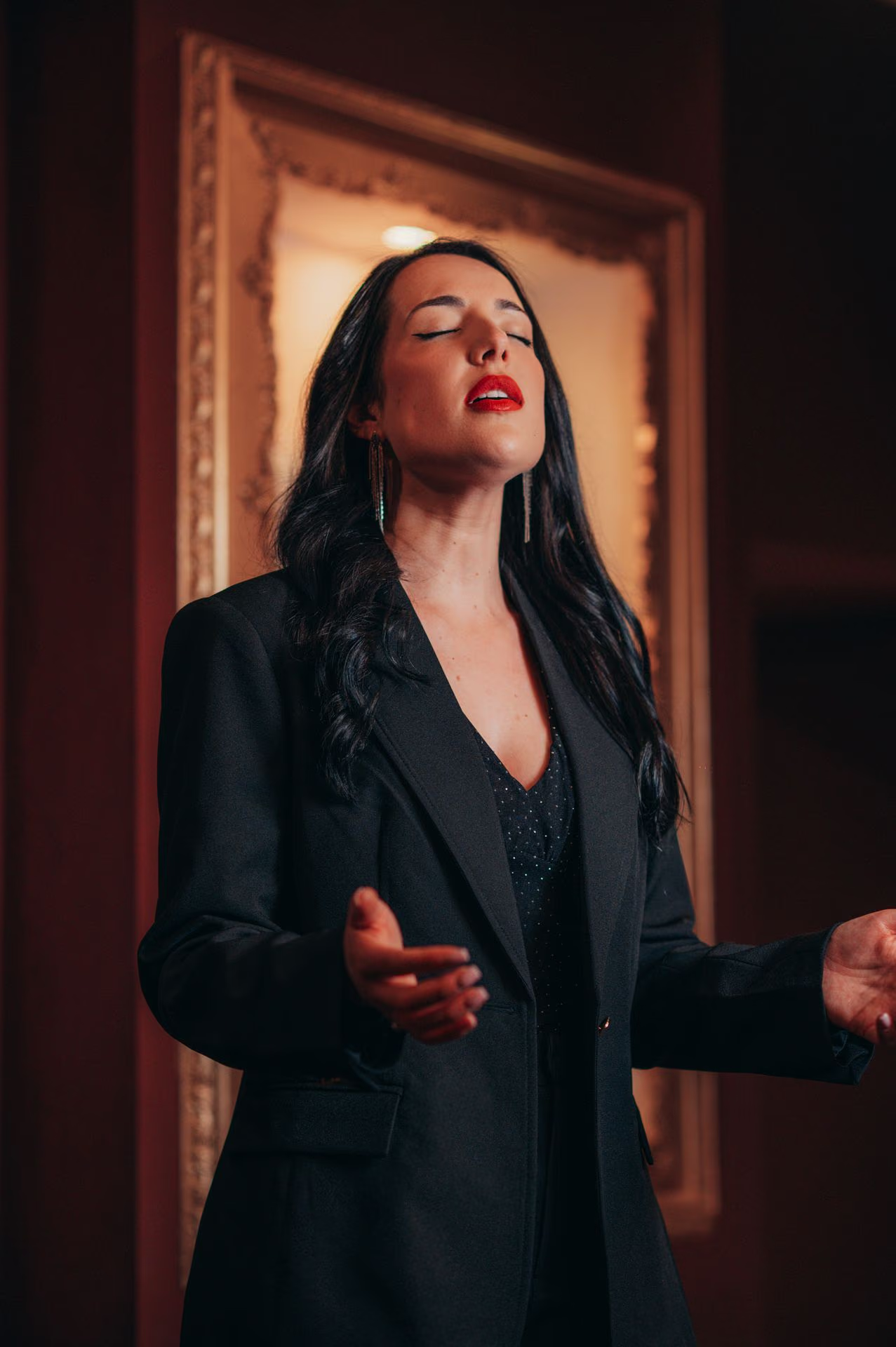
Amália, Marceneiro and Maria Teresa de Noronha each recorded the Fado Menor with different words. A singer can turn to the guitarists, ask for the Fado Mouraria in D and start, and they don’t need to know which poem is coming. The singer could even sing a nursery rhyme to it, and it would still be the Fado Mouraria. Only traditional Fado works like this.
Some traditional Fado melodies
Here are four melodies from traditional Fado to get to know, one of them Marceneiro’s.
Fado Corrido
Corrido means run, as in the running of a story. It was the melody for telling one from start to finish.
Fado Menor
The slow one, in a minor key. People call it the queen of the melodies, and Amália called it the father and mother of all the other Fados.
Fado Vianinha
Francisco Viana was a small man, they say, so he was known as Vianinha, little Viana. He never made a record, but his melody is sung every day.
Fado Bailado
This is the Marceneiro one. Amália wrote her own words for it, Estranha forma de vida, and was too shy to sign them, so her brother-in-law registered the poem as his.
The Fado of Coimbra
Coimbra, the old university city, has a Fado of its own, and it’s a thing apart from everything above. It grew up among the students, and it’s sung by men in black student capes, out in the open and late at night: on a stone stairway, in a square, in front of the old cathedral.
It sounds different too. The Coimbra guitar is tuned a full tone lower than the Lisbon one, so it comes out darker, and the songs are about the student years and the river that runs below the city. When a serenade ends, by tradition, nobody claps. The people who know it best don’t even call it Fado. They call it the Canção de Coimbra, the song of Coimbra.
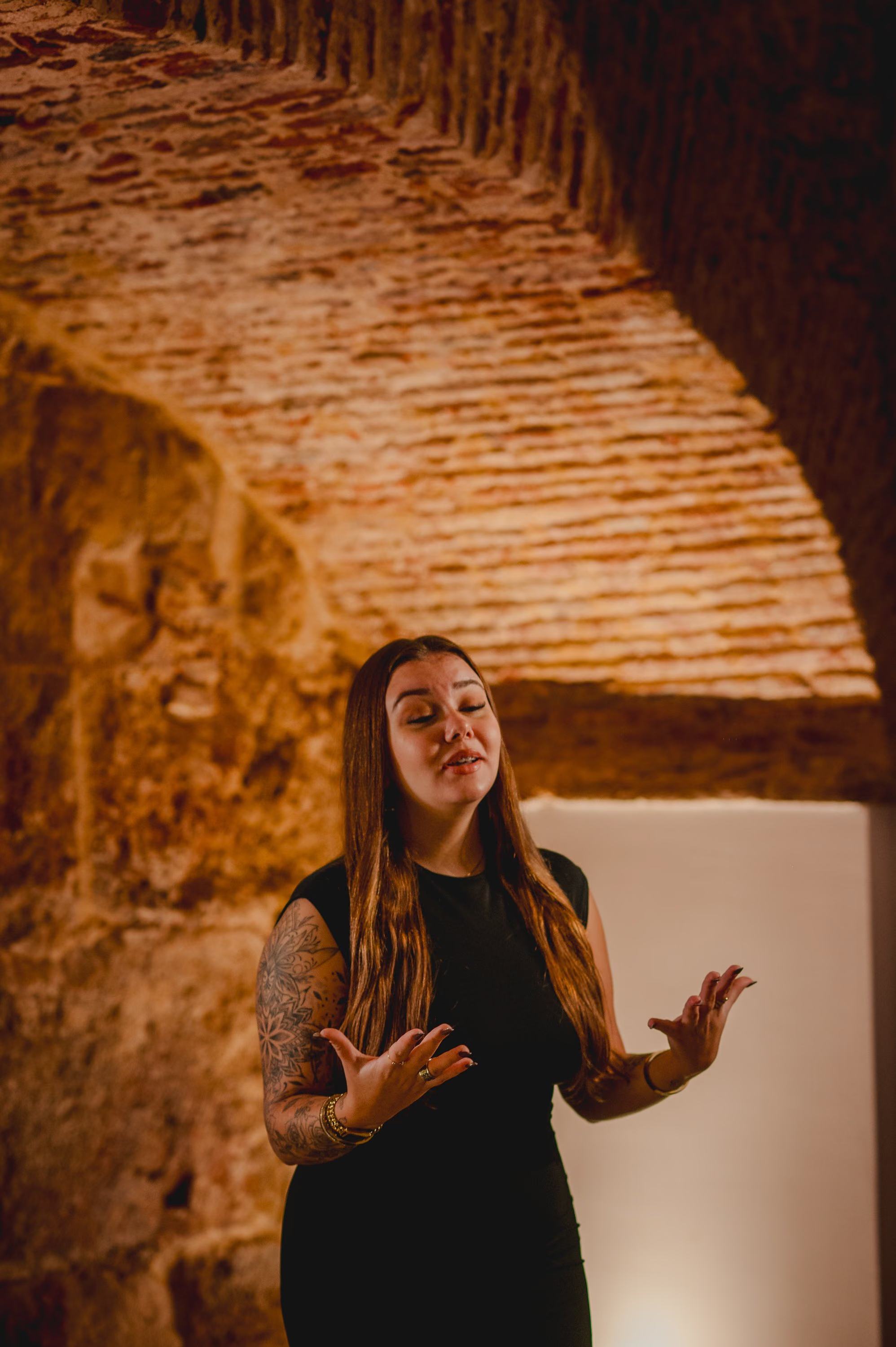
Hearing Fado live
Fado singers talk about Fado happening. Ricardo Ribeiro, one of the great voices of today, says it takes five things in the same place: the audience, the singer, the poet, the musicians and the wine, by which he means the mood in the room.
Even a recording studio needed that. When Amália recorded, her producer would bring in friends, codfish cakes and tomato rice, and start at midnight. And singers say that with an audience that came to be moved, to tears or to laughter, they only have to open their mouths, and by the second verse everybody is in the same place.
Every night, in our two rooms in Lisbon, the singers, the guitars, the poems and a glass of wine are waiting. What makes the Fado happen is the people who come to listen. Will you be one of them?